Understanding before restriction
Instructions are more useful when you understand the patterns, context, and needs they are trying to work with.

OUR APPROACH
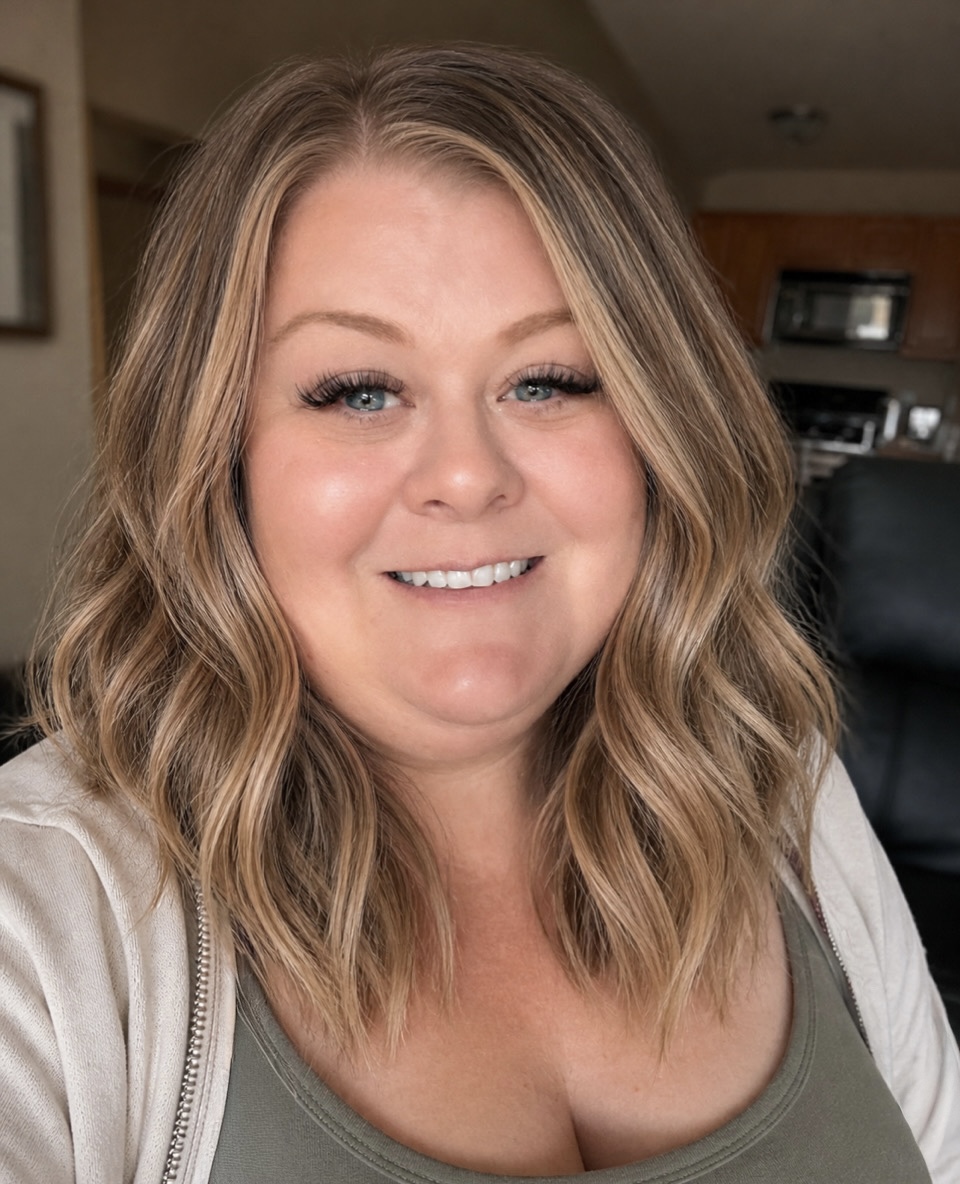
Breakthrough Health grew from a simple frustration: I knew what I was “supposed” to do, but nobody had helped me understand why doing it felt so hard—or how to build something that fit my actual life.
WHAT WE BELIEVE
Breakthrough does not treat difficulty as evidence that you are lazy, undisciplined, or incapable. It treats difficulty as information worth understanding.
Instructions are more useful when you understand the patterns, context, and needs they are trying to work with.
A useful plan has to account for the person living it—not just a calorie target or a perfect-day schedule.
The goal is not flawless execution. It is a system you can return to, learn from, and keep practicing.
Breakthrough Health is education and structure. When something belongs with a licensed professional, we say so.
WHY I BUILT BREAKTHROUGH HEALTH
I built the thing I needed when I knew exactly what I was “supposed” to do—and still could not understand why doing it felt so damn hard.
When I first saw a 1,200-calorie plan, I thought it was completely insane. Like…what am I supposed to eat? Half a grape and a prayer?
I pictured tiny portions, constant hunger, and spending the rest of my life angry. I did not understand protein. I did not understand satiety. I did not understand that 300 calories can disappear in a coffee and leave you hungry—or become an actual plate of food that keeps you full.
Nobody had ever explained any of that to me. They just kept telling me to eat less.
I grew up with rules around food. Clean your plate. Do not waste anything. There are starving kids who would be grateful for that food. I also learned what it felt like to worry that if I did not eat something now, somebody else might and there would not be any left later.
I heard comments about my body early. Diet culture showed up before I was old enough to understand what a calorie was. Somewhere along the way, food became comfort, reward, relief, celebration, and something I could always count on when life felt like too much.
Then I blamed myself for using it that way.
I thought I was lazy. I thought I had no self-control. I thought everybody else had received some secret manual for how to be normal around food and mine had gotten lost in the mail.
I wasn’t broken. I was using patterns that had made sense long before I understood them.
I counted calories. I started diets. I made rules. I broke the rules. I promised myself I would be different on Monday. Then I treated every hard day like proof that I had failed again.
The weird part is that I am not stupid. I have a molecular biology degree. I can understand the science. I knew vegetables were healthier than cookies. Knowledge was not the missing piece.
The missing piece was understanding why I kept reaching for the cookies when I was stressed, exhausted, hurt, lonely, overwhelmed, or just completely done making decisions for the day.
I learned what protein actually does for fullness. I learned why food volume matters. I learned how sleep changes hunger. I learned that cortisol is not a magical fat-making villain, but chronic stress can affect appetite, cravings, sleep, glucose availability, and the choices we have enough energy to make.
I learned about habit loops. I learned that the brain repeats what has worked before—even when the old solution is creating a new problem now.
And therapy helped me understand something nutrition plans never had: a coping mechanism is not a character flaw.
Some of my habits had roots. Childhood rules. Shame. Scarcity. Trauma. A nervous system that had spent a lot of time trying to survive. Understanding that did not remove my responsibility. It removed the shame that had kept me stuck.
Once I could see the pattern, I could finally build a different response.
I did not want to create another company that hands people a calorie number and says, “Good luck.” I wanted to build the explanation I had been missing.
I want you to understand why protein can make a lower-calorie day feel completely different. Why the Lose It! barcode scanner makes tracking easier. Why you may finish your plate even when you are full. Why stress changes what sounds good. Why one off-plan meal does not require punishment. Why a therapist may be an important part of the work when food has been carrying more than hunger.
And I want every claim we make to be tied to real research—not something an influencer said confidently into a ring light.
Breakthrough Health is not therapy, medical care, or a replacement for a registered dietitian. It is education, structure, honest self-reflection, and a system that helps you know what to do next. When the work goes deeper than nutrition, we will say so and point you toward licensed professionals instead of pretending a meal plan can heal everything.
Not with punishment. Not with pretending this is easy. Not with another Monday promise.
Start with curiosity. Learn what your body is doing. Tell the truth about what food has meant in your life. Build meals that actually satisfy you. Track the information. Get support when you need it. Then build a system that works on your real days—not just your perfect ones.
That is the breakthrough I want for you.
— Kayla
UNDERSTAND → PERSONALIZE → PRACTICE → GROW